Coloring Book Complexity Guide for Every Age Group
From toddlers to seniors: the right line thickness, detail level, and themes for each age — and why mismatched complexity earns 1-star reviews.
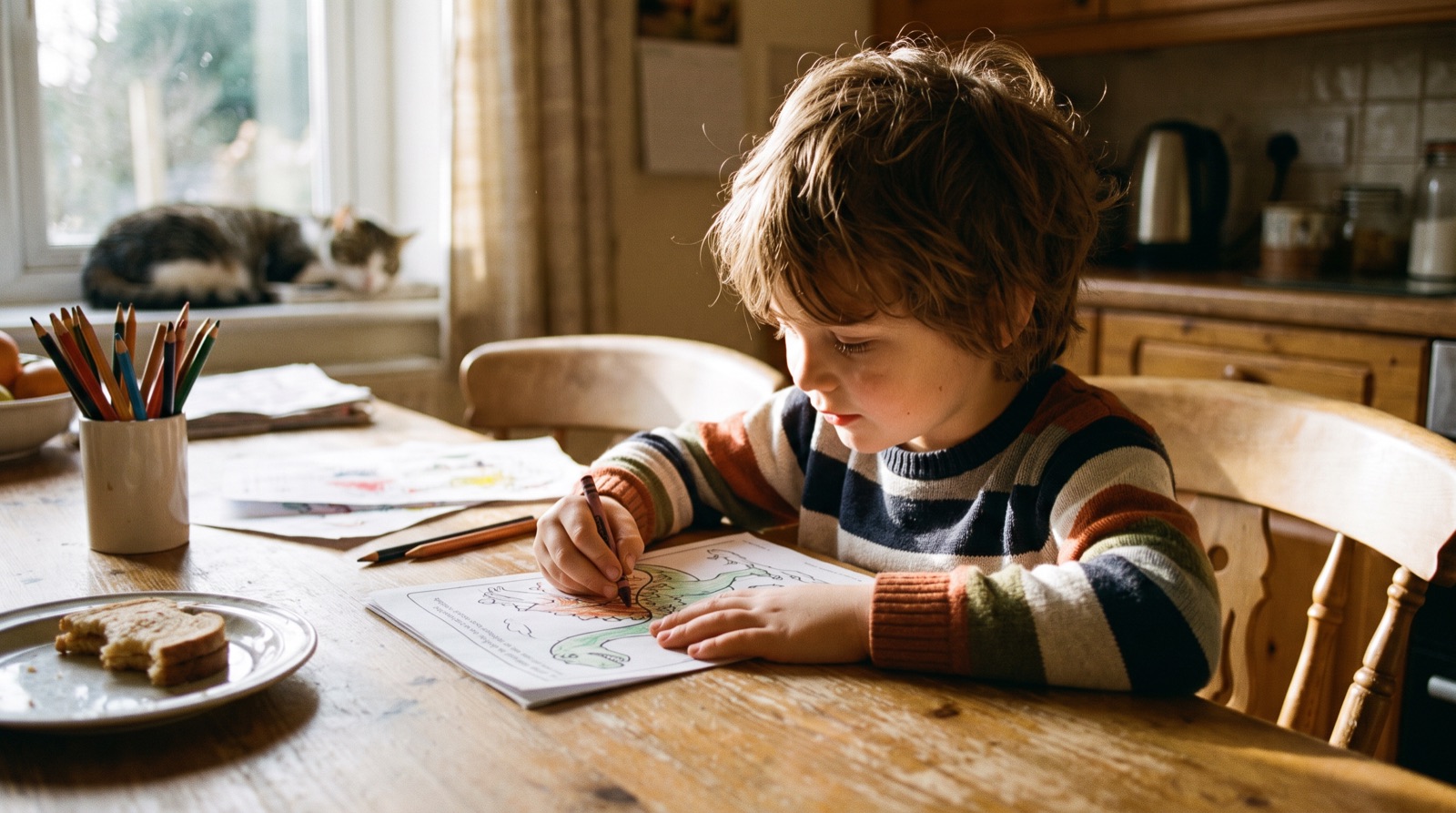
"Too hard for my child." "Insultingly simple." "Lines too thin for crayons." Complexity mismatch is the single most common complaint in coloring book reviews — and the most preventable. This guide maps line weight, detail density, and themes to every age group, so your book delivers exactly what its cover promises.
Why Complexity Is a Physical Spec, Not a Vibe
A three-year-old colors with a fisted grip and whole-arm movement; a seven-year-old has finger control; an adult can stay inside a 2-millimeter shape for an hour. Complexity is the design response to those motor realities: thicker lines and bigger regions absorb wobbly strokes, fine lines and dense patterns reward precision. Get it right and the colorist feels capable; get it wrong and your review section fills with one-star disappointment.
Ages 1–3: First Coloring Books
- Line weight: 4–6pt (1.5–2mm) — visibly chunky
- Composition: one large object, minimal background, huge open regions
- Page count: 25–40 — attention spans are short, books get destroyed
- Themes: familiar things — animals with faces, fruits, vehicles, shapes
- Bonus points: the object's name in big letters (early word recognition sells to parents)
Ages 4–8: The Volume Market
- Line weight: 2.5–3.5pt — sturdy but allows detail
- Composition: a full scene with 3–7 elements; simple backgrounds welcome
- Regions: nothing smaller than a crayon tip (~4mm)
- Page count: 40–60
- Themes: the evergreen obsessions — dinosaurs, unicorns, ocean, space, vehicles (the full list is in coloring book ideas)
Ages 9–12: The Skill-Flex Years
- Line weight: 1.5–2.5pt
- Composition: real detail, patterns, personality — tweens want to feel advanced
- Themes: kawaii characters, gaming-adjacent worlds, animals with attitude, fashion
- Tone check: nothing that reads "for little kids" — this group is allergic to babyish
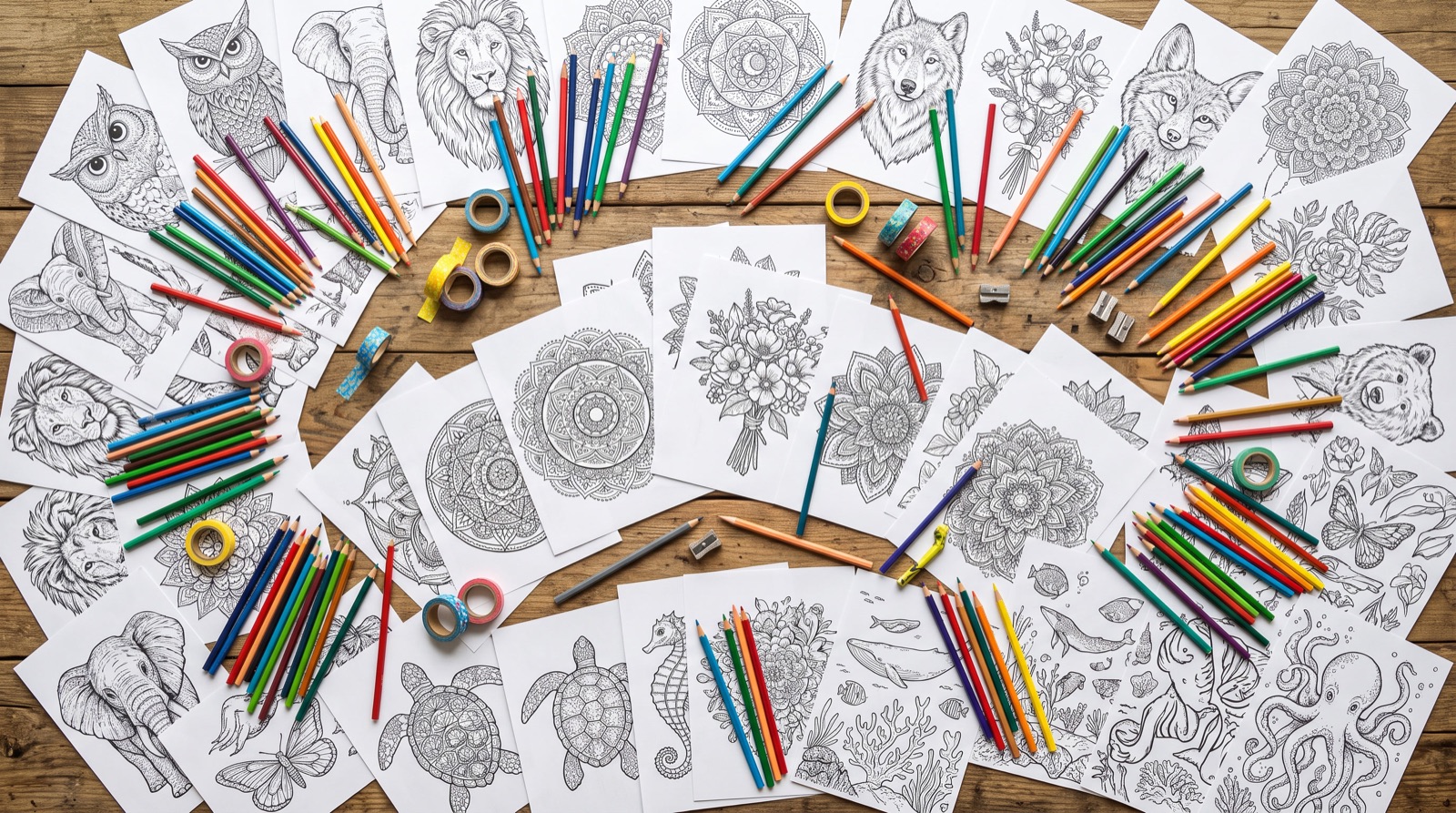
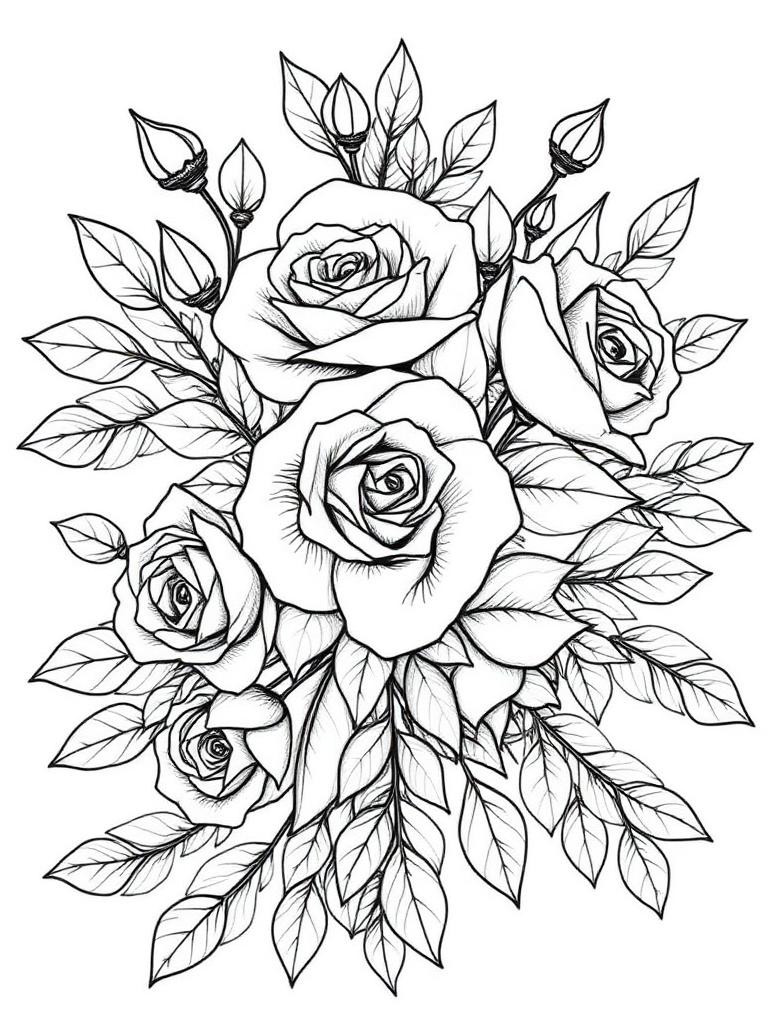
Adults: Density as the Product
- Line weight: 0.5–1pt, consistent — wobbles show at this scale
- Composition: full-page immersion; 20+ minutes of coloring per page is the value proposition
- Regions: intricate but colorable — minimum ~2mm, or reviewers will mention needing needles
- Page count: 50–100, always single-sided
- Themes: mandalas, botanicals, zentangle animals, cozy scenes, humor
Seniors & Large Print: The Overlooked Segment
- Line weight: 2.5–3.5pt — kid-level clarity, adult subject matter
- Composition: moderate detail, generous regions, minimal visual clutter
- Themes: florals, birds, nostalgic scenes, simple mandalas
- Label it: "Large Print" in the title is both a promise and a search keyword (put variants in your backend keyword slots too)
The whole spectrum at a glance:
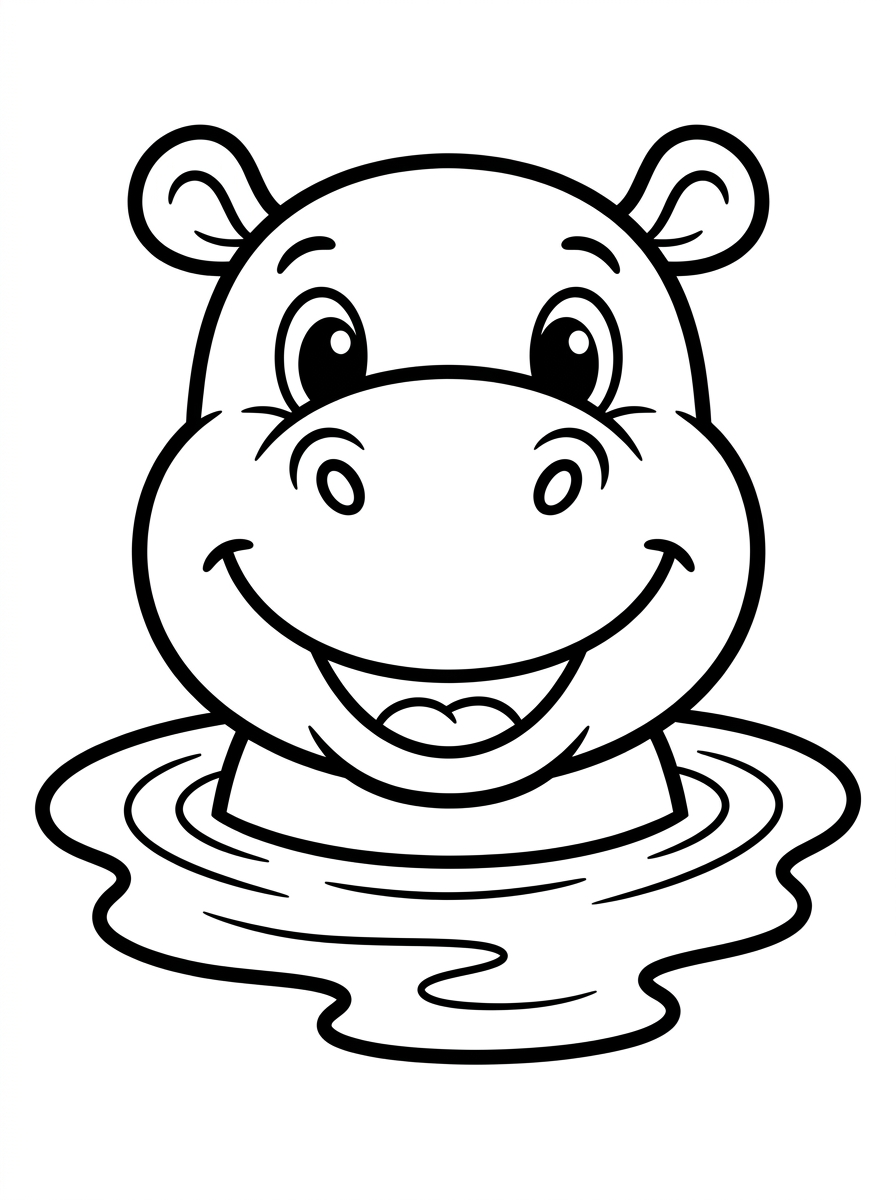
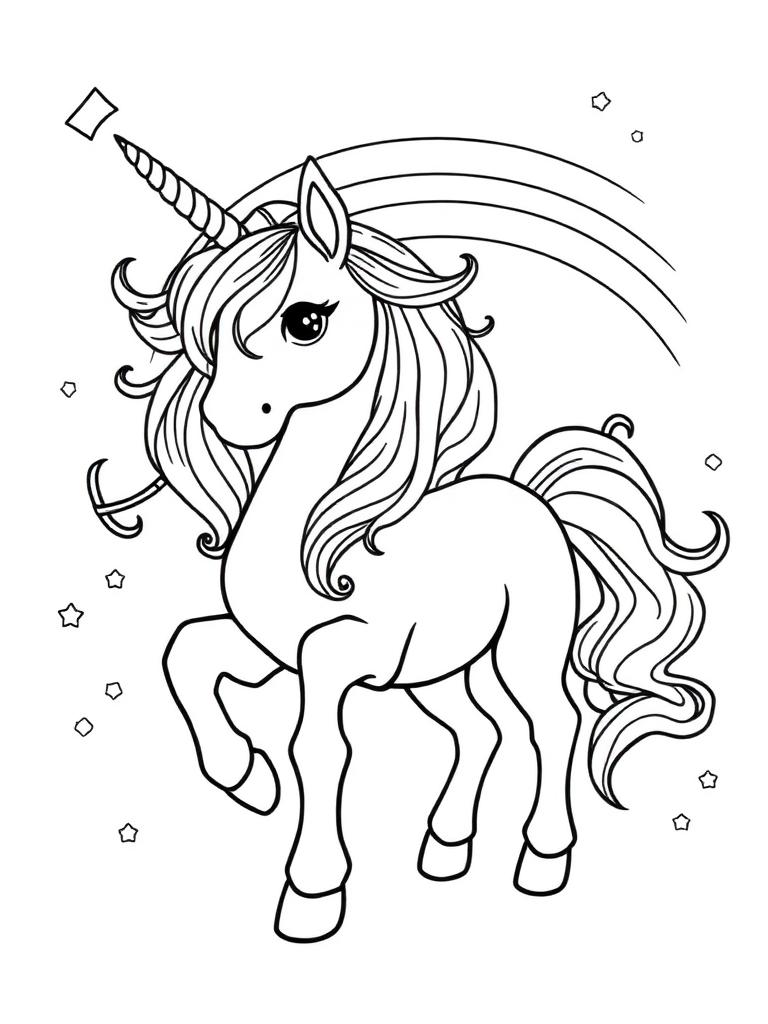
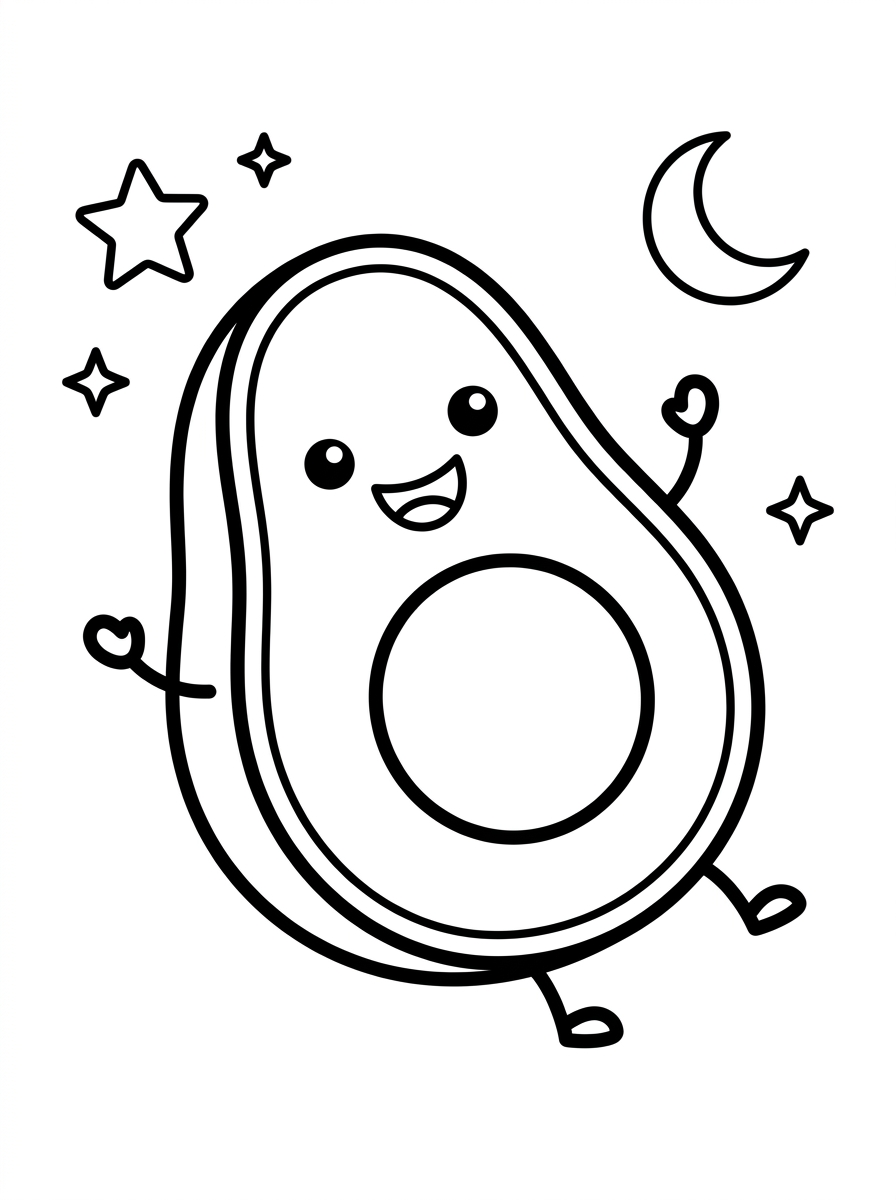
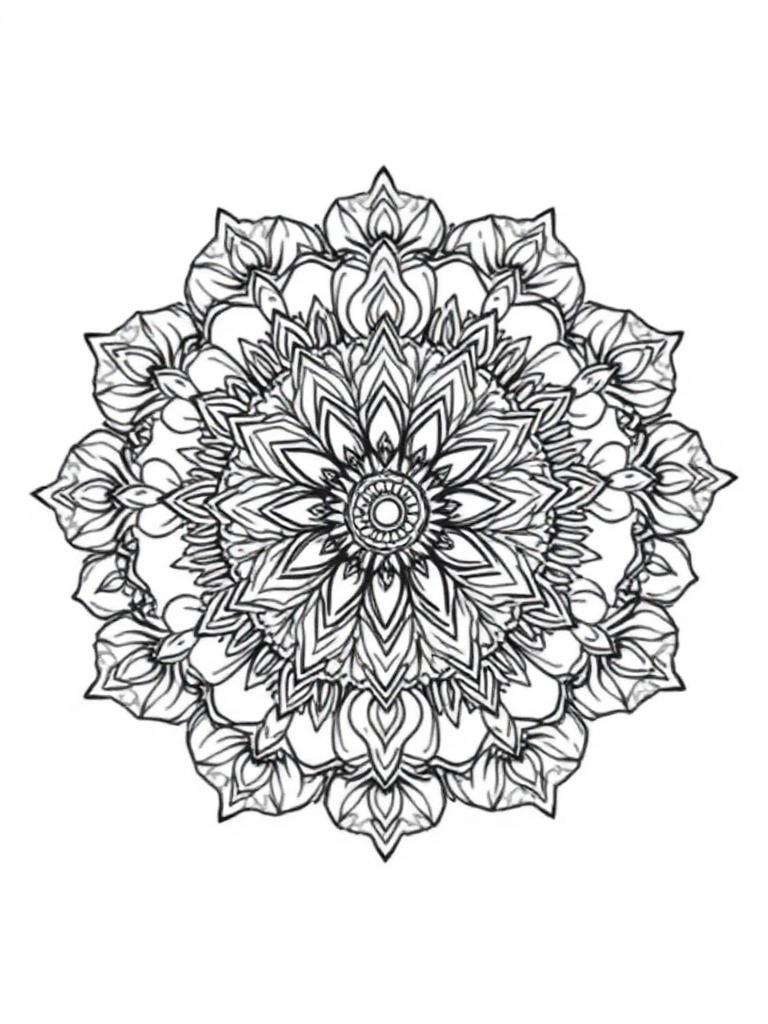
The Full Reference Table
| Age | Line weight | Elements/page | Min region | Pages |
|---|---|---|---|---|
| 1–3 | 4–6pt | 1 | ~10mm | 25–40 |
| 4–8 | 2.5–3.5pt | 3–7 | ~4mm | 40–60 |
| 9–12 | 1.5–2.5pt | 7–15 | ~3mm | 40–60 |
| Adults | 0.5–1pt | 15+ | ~2mm | 50–100 |
| Seniors | 2.5–3.5pt | 5–10 | ~5mm | 40–60 |
Three Tests Before You Publish
- The print test: print three pages at actual size. Screens lie about line weight; paper doesn't.
- The tool test: color one page with the audience's actual tool — a chunky crayon for kids' books, a pencil for adult books. Every frustrating region you meet, your buyers meet too.
- The kid test (if applicable): hand pages to a child in your target range and watch. Where they give up, redesign.
Frequently Asked Questions
What line thickness should toddler coloring books use?
Extra-thick outlines of roughly 4–6 points (about 1.5–2 mm), simple closed shapes, and one large object per page. Toddlers color with fists, not fingertips — thin, detailed art frustrates them and earns 'too hard for my child' reviews.
What complexity works for adult coloring books?
Fine lines (0.5–1 pt), dense detail, and 20+ minutes of coloring time per page. Adults choose books for flow and stress relief, so intricate mandalas, botanical patterns, and full-page compositions win — but keep enclosed areas large enough for a standard pencil tip.
Should I state an age range on my coloring book?
Yes, prominently — in the title or subtitle and on the cover. Age mismatch is one of the most common sources of 1-star reviews, and a clear 'Ages 4–8' both filters the wrong buyers and helps Amazon surface your book in age-filtered searches.