
50+ Coloring Book Ideas That Actually Sell
A working idea list organized by audience — kids, adults, seniors, niche hobbies — with notes on which themes have real demand and which are oversaturated.
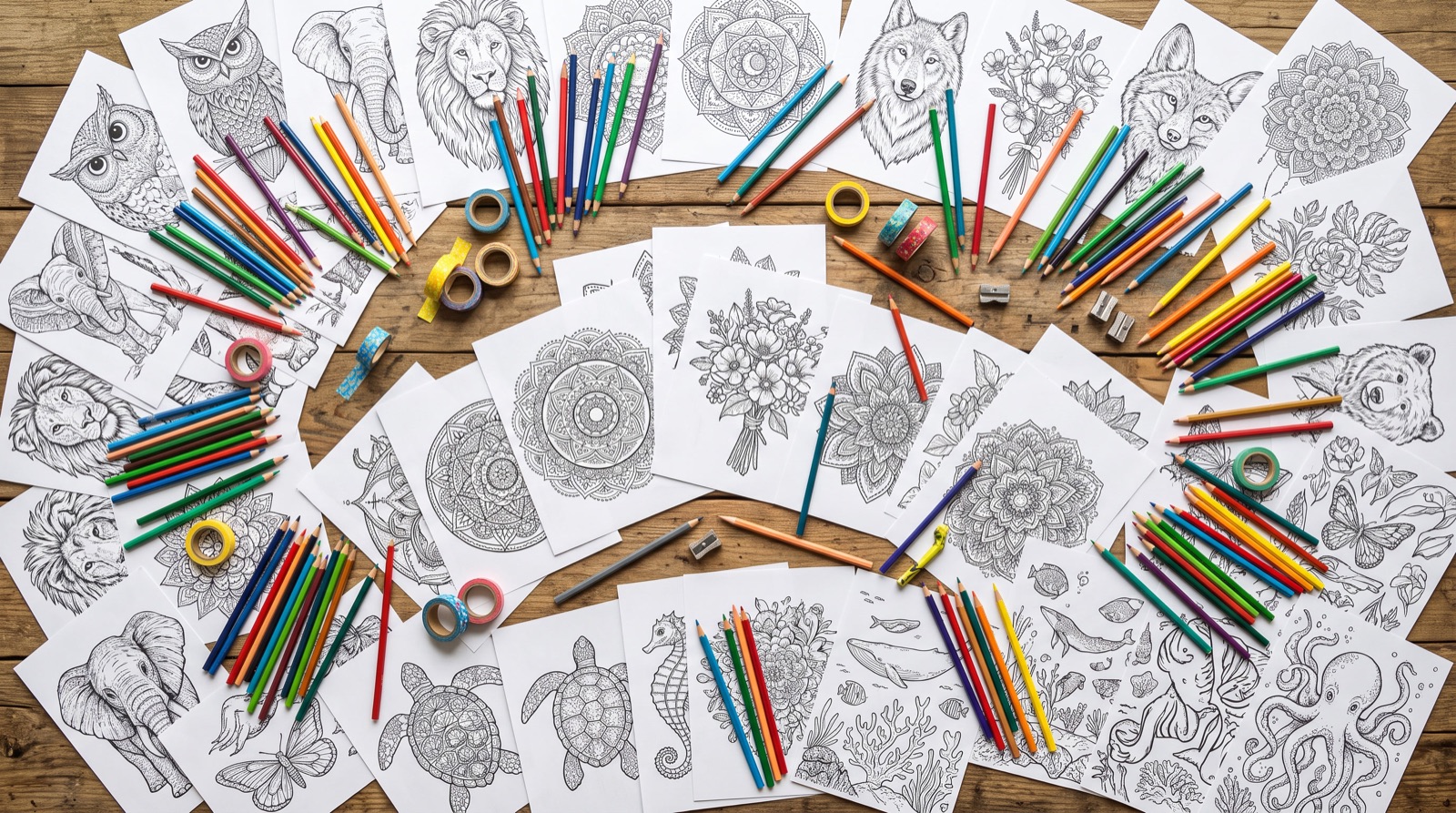
This is a working list, not brainstorm filler: 50+ coloring book themes organized by audience, with notes on where demand is proven, where differentiation is easy, and which "obvious" ideas are so saturated they're traps. Validate before you build — the 10-minute checklist at the end filters any idea on this page.
Kids' Themes (Ages 2–12): The Evergreen Core
Parents restock coloring books like snacks. The winners map to childhood obsessions that renew with every generation:
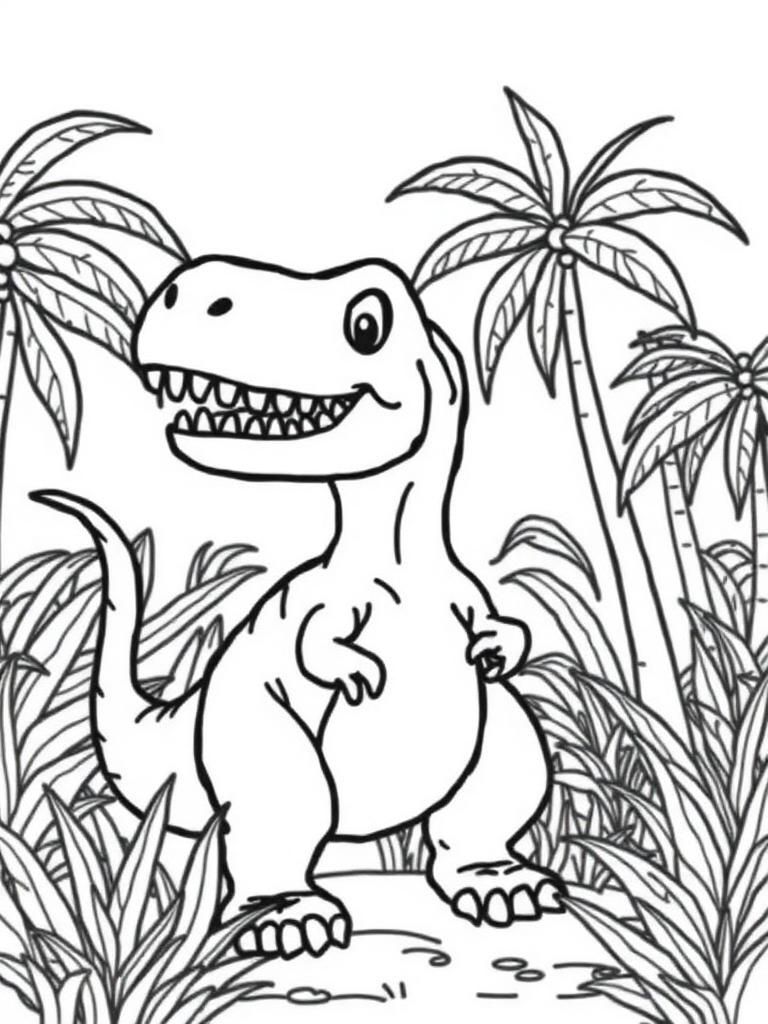
- Dinosaurs — perpetual top seller; differentiate with facts per page or silly scenes
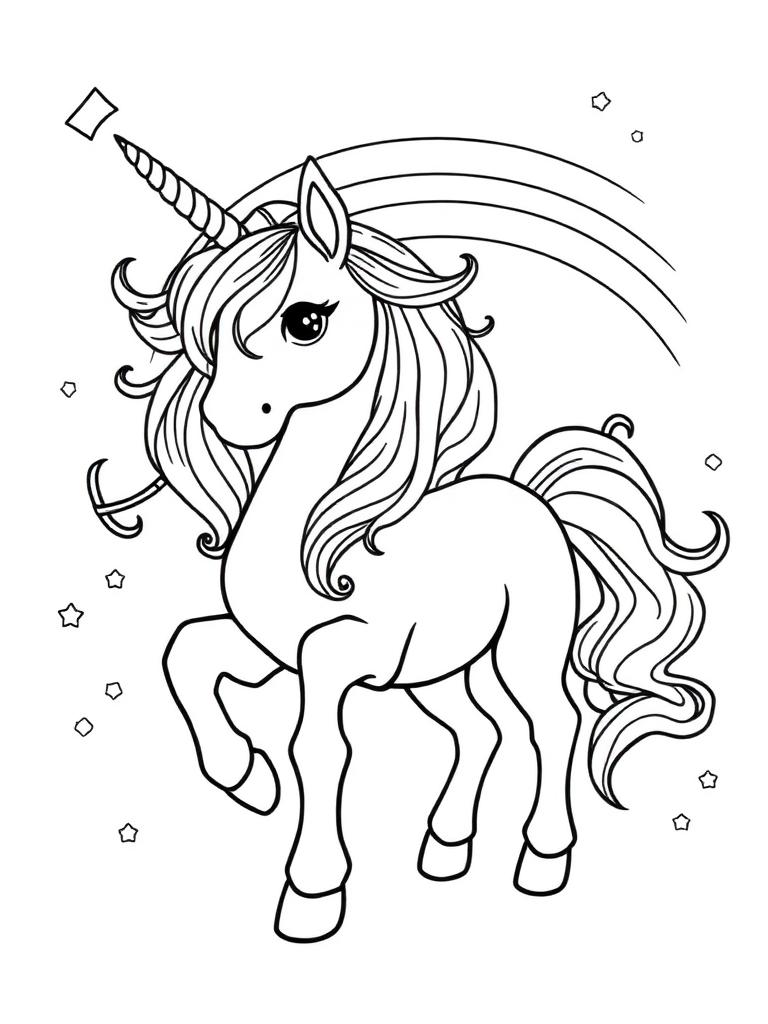
- Unicorns — huge but crowded; angle with activities or specific settings (unicorn bakery, unicorn space)
- Ocean animals — steady demand, weaker competition than dinos
- Construction vehicles — diggers, dump trucks; devoted 2–6 audience
- Space & rockets — pairs well with simple facts
- Farm animals — toddler favorite, works at 8.5×8.5″
- Cute dogs / cats — split by breed for the long tail
- Bugs & insects — underserved; kids adore it, parents search it
- Robots — easy to draw as bold shapes for young kids
- Princesses & fairies — evergreen; avoid anything resembling trademarked characters
- Vehicles mix — cars, planes, trains for ages 2–5
- ABC & numbers — educational angle parents actively seek
- First coloring book (age 1–3) — extra-thick outlines, one object per page
- Mermaids — sister niche to unicorns with less supply
- Pirates — small but loyal; great for party-favor keywords
Adult Themes: The Stress-Relief Economy
Adults buy coloring books to decompress, and they buy repeatedly once a style clicks:
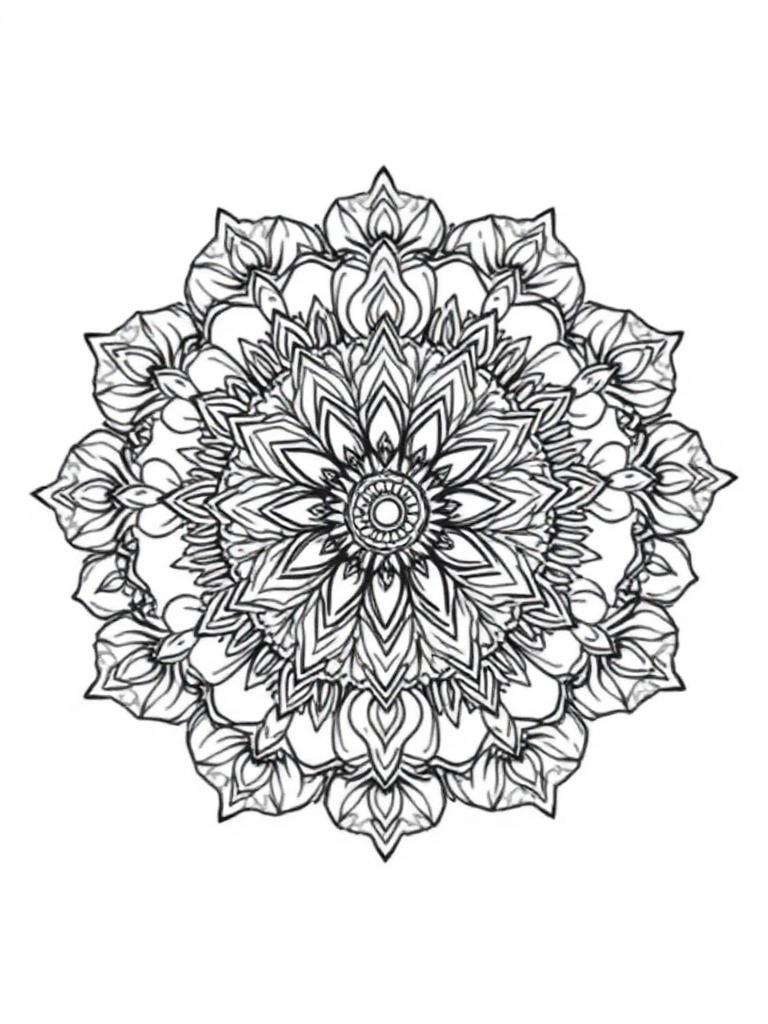
- Mandalas — the category king; needs an angle now (3D, animal mandalas, affirmation pairings)
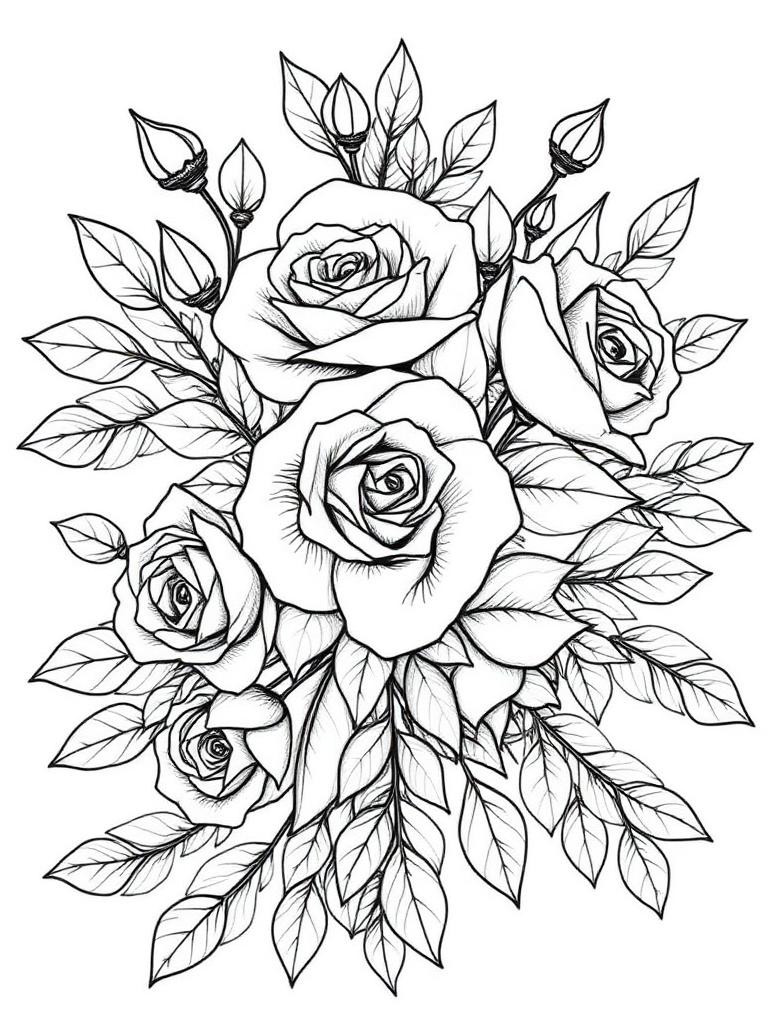
- Botanical & florals — wildflowers, houseplants, garden scenes
- Swear words & sarcasm — humor gift niche with strong Q4 spikes
- Zentangle animals — patterned wolves, owls, elephants
- Cozy interiors — hygge rooms, reading nooks, cafés
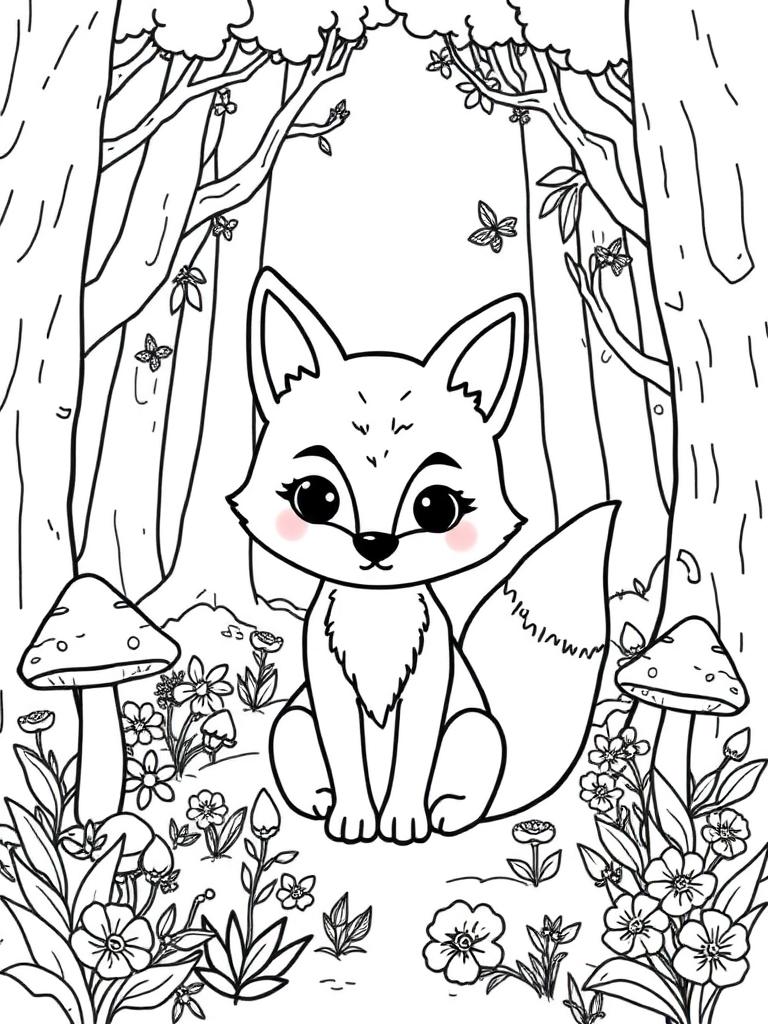
- Cottagecore & mushrooms — steady lifestyle-trend demand
- Gothic / dark academia — skulls, ravens, candlelit libraries
- Ocean scenes — reef panoramas, jellyfish, waves
- Cities & travel — Paris, Tokyo; targets wanderlust gift buyers
- Affirmations & self-care — quote + illustration pairs
- Stained glass style — bold enclosed segments, very relaxing to fill
- Japanese patterns — waves, koi, kimono motifs
- Fantasy creatures — dragons, phoenixes for the D&D-adjacent crowd
- Witchy / celestial — moons, tarot, crystals
- Vintage advertising / retro diner — nostalgia niche with older buyers
Seniors & Large Print: The Overlooked Goldmine
- Large-print florals — thicker lines, less density; explicitly say "large print" in the title
- Birds — backyard species; hugely popular with 60+ colorists
- Nostalgic scenes — 1950s–70s daily life, classic cars
- Simple mandalas — the relaxation without the eye strain
- Easy landscapes — cottages, lighthouses, gardens
Care facilities and adult day programs buy these in multiples — mention "seniors" and "dementia-friendly" (if genuinely appropriate) in your keyword slots (see the 7-slot framework).
Seasonal & Holiday: Predictable Annual Spikes
- Christmas — biggest spike; publish by mid-October
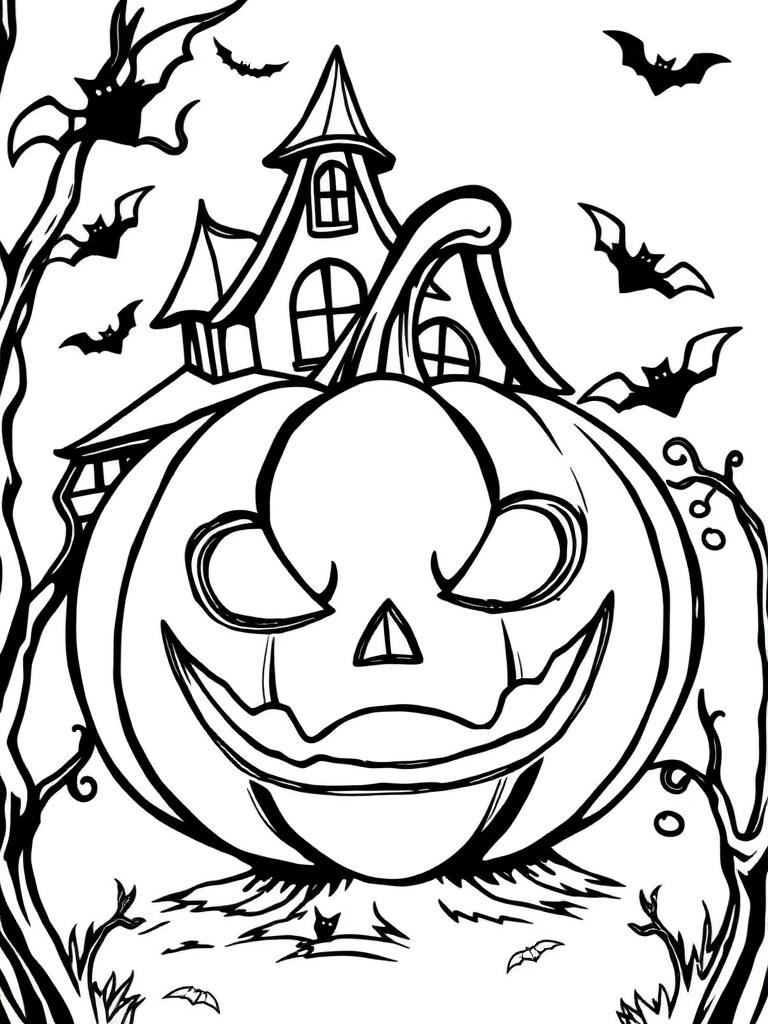
- Halloween — kids and adult-spooky both work; publish by early September
- Easter — basket-stuffer keywords convert hard
- Valentine's Day — classroom and couples angles
- Thanksgiving / fall — pumpkins, leaves, gratitude prompts
- Back to school — teacher-gift crossover
- Summer / beach — road-trip and screen-free keywords
Hobby & Identity Cross-Sections: Low Competition by Design
Take a passionate audience and make the book for them. Competition is thin because each niche looks "too small" — but gift-buyers find them precisely through those searches:
- Camping & hiking scenes
- Fishing — strong Father's Day gift keyword
- Gardening
- Yoga & meditation
- Cats + coffee / books — identity mashups work
- Nurses / teachers appreciation — humor + affirmations, big gift seasons
- Horses & equestrian — devoted young audience
- Motorcycles / classic cars
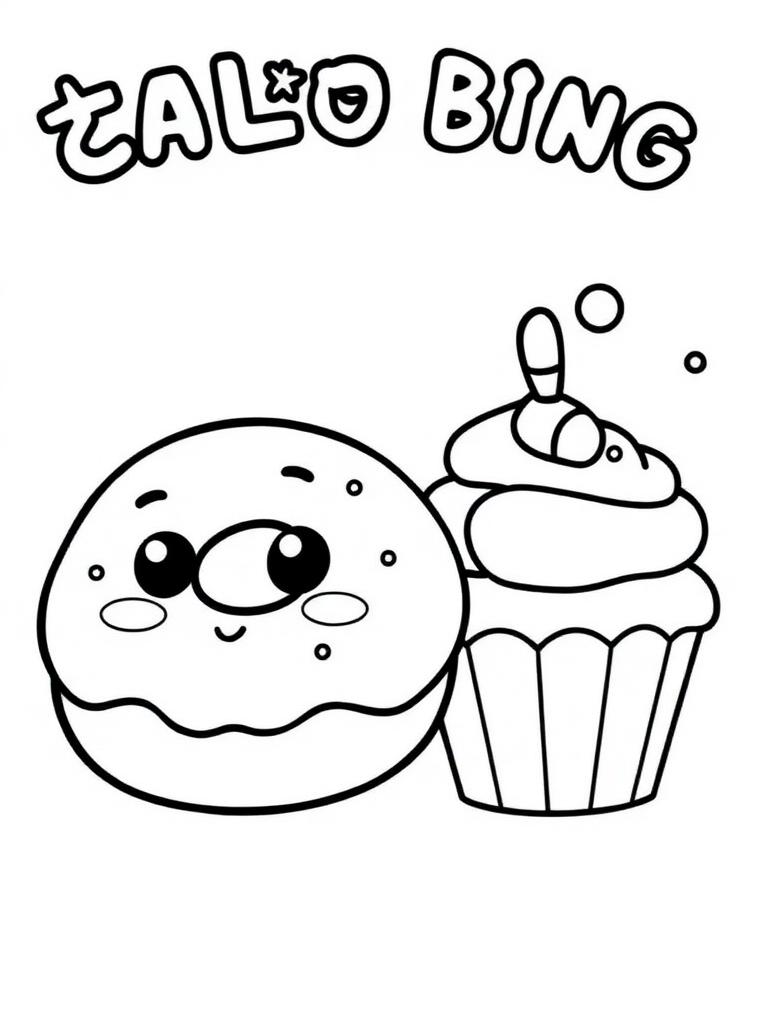
- Baking & sweets — pairs with the kawaii style
- Country / farmhouse life
2026 Trend Watch (Move Fast, Validate First)
- Capybaras — the internet's favorite animal is still climbing
- Axolotls — huge with kids 6–12
- Kawaii food characters — dessert parades, happy snacks
- Cozy fantasy — dragon cafés, witch cottages
- Highland cows — farmhouse-decor crossover
Trends decay. Check that autocomplete still suggests the term and top titles hold BSR under 100k this month — last year's TikTok animal may already be a graveyard.
Saturated Traps to Skip (or Enter Sideways)
- Generic "Adult Coloring Book" — you'd compete with 10,000 titles and household names.
- Plain animal collections — no theme, no audience, no reason to choose yours.
- Basic mandalas with no angle — the top 50 are entrenched with thousands of reviews. "Mandala + X" is the sideways entrance.
- Anything trademark-adjacent — "inspired by" famous characters is an account-level risk, not a niche.
The 10-Minute Validation Checklist
- Autocomplete test: does Amazon suggest your phrase when you type its first words? No suggestion = little demand.
- BSR test: of the top 5 results, do 3+ have Best Sellers Rank under 100,000? (Rank → income math is in the royalties guide.)
- Beatability test: do several top books have under ~150 reviews? Under 50 is a green light.
- Differentiation test: can you name, in one sentence, why yours is different (age fit, style, page count, bonus content)? If not, pick another idea.
- Seasonality check: if it's a holiday title, are you 6+ weeks out?
Frequently Asked Questions
What type of coloring books sell best?
Three groups dominate: adult stress-relief themes (mandalas, florals, swear-word humor), kids' evergreen obsessions for ages 4–8 (dinosaurs, unicorns, vehicles), and seasonal titles that spike every year (Halloween, Christmas, Easter). Specific beats generic in every case — 'Ocean Animals for Kids 4–8' outsells 'Animal Coloring Book'.
How many pages should a coloring book have?
Kids' books: 30–60 coloring pages. Adult books: 50–100. Always print single-sided (blank backs) so markers don't bleed through onto the next design — it's one of the most common complaints in 1-star reviews.
How do I validate a coloring book idea before making it?
Search the exact niche phrase on Amazon and check the top 5 results: several books with a Best Sellers Rank under 100,000 means real demand, and top competitors under roughly 150 reviews mean you can realistically rank. If both are true and you can name a concrete improvement over what's there, the idea is worth making.
Can I put several themes in one coloring book?
Stay under one clear umbrella. 'Ocean Friends' can include fish, whales, and seahorses; a grab-bag of animals plus cars plus mandalas confuses both Amazon's algorithm and buyers, and it shows up in worse conversion. If you love two themes, make two books — series sell better anyway.