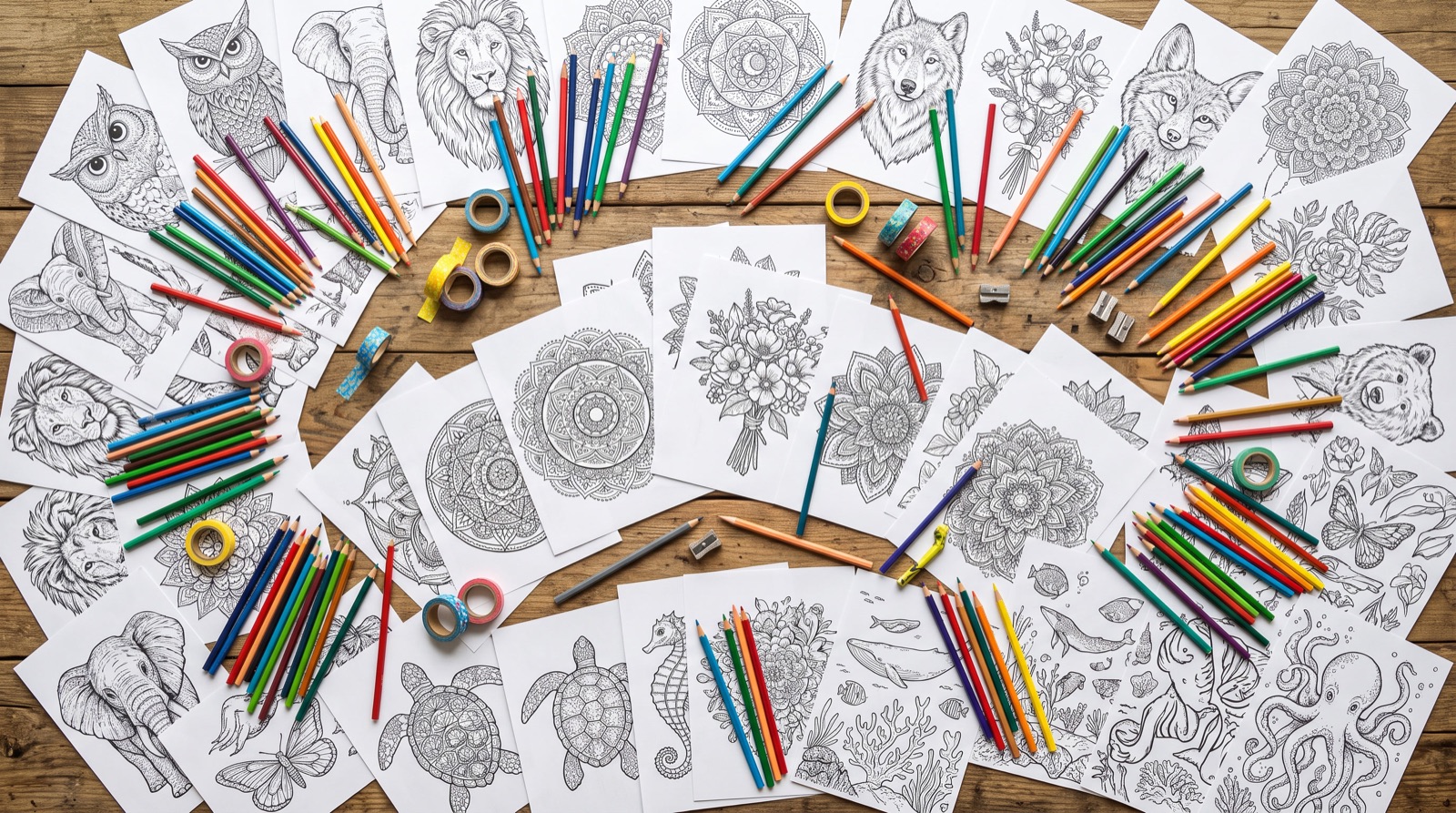
Best Coloring Book Niches on Amazon KDP (2026 Update)
Data-driven analysis of profitable niches: mandalas, kids' animals, seasonal themes — plus the underserved sub-niches where new publishers can still win.

The coloring book market on Amazon keeps growing — and keeps concentrating: the bulk of sales flows through a handful of proven niche families, while thousands of generic titles sell nothing. This analysis breaks down which niches are earning consistently in 2026, what changed since last year, and where a new publisher can still realistically win.
How to Read This Analysis
For each niche: demand signals (what BSR the top books hold), competition reality, and the differentiation angles that still work. Sales estimates use the standard BSR translation — a book at BSR 20,000–50,000 sells roughly 3–10 copies a day, which at a typical $3 royalty is $280–950/month (full math in KDP royalties explained).
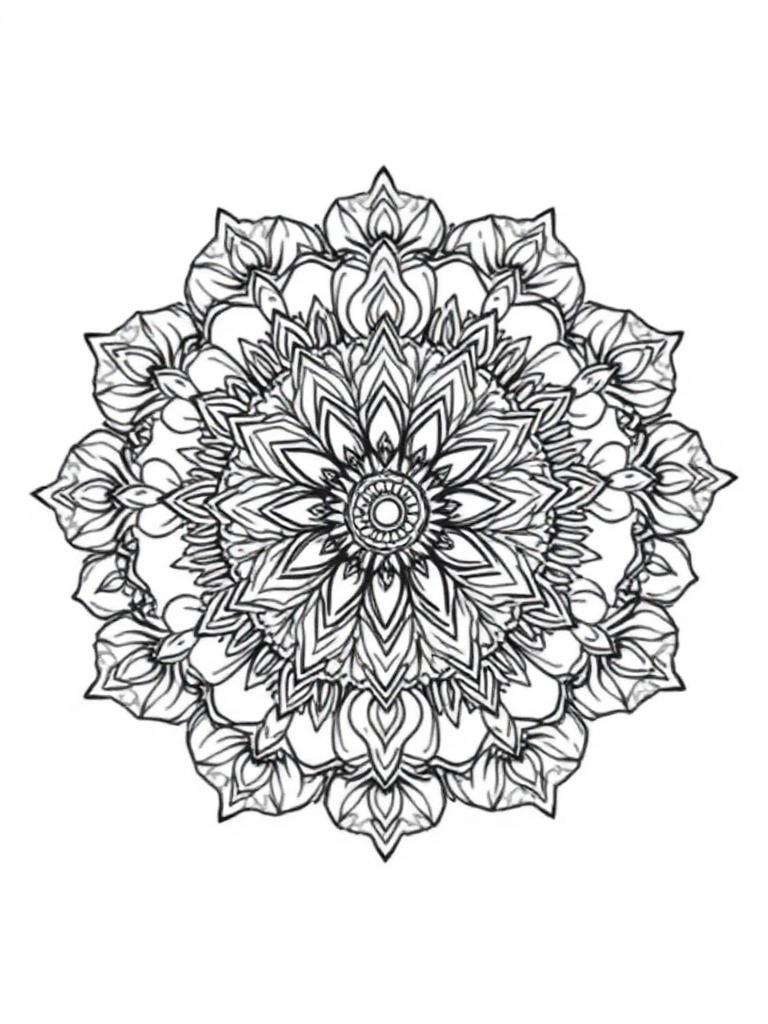
1. Mandalas & Geometric Patterns — Still the King
The anchor of adult coloring. Demand is enormous and steady; competition is too. Top books hold BSR under 10,000 with thousands of reviews — you won't beat them head-on, and you don't need to. The working angles in 2026:
- Mandala × subject fusions — animal mandalas, floral mandalas, celestial mandalas
- Large-print mandalas — seniors and low-vision colorists; shockingly under-supplied
- Mindfulness pairings — a mandala plus an affirmation or journaling prompt per spread
- Difficulty ladders — "simple to intricate" progression books for beginners
2. Kids' Animals — The Evergreen Volume Play
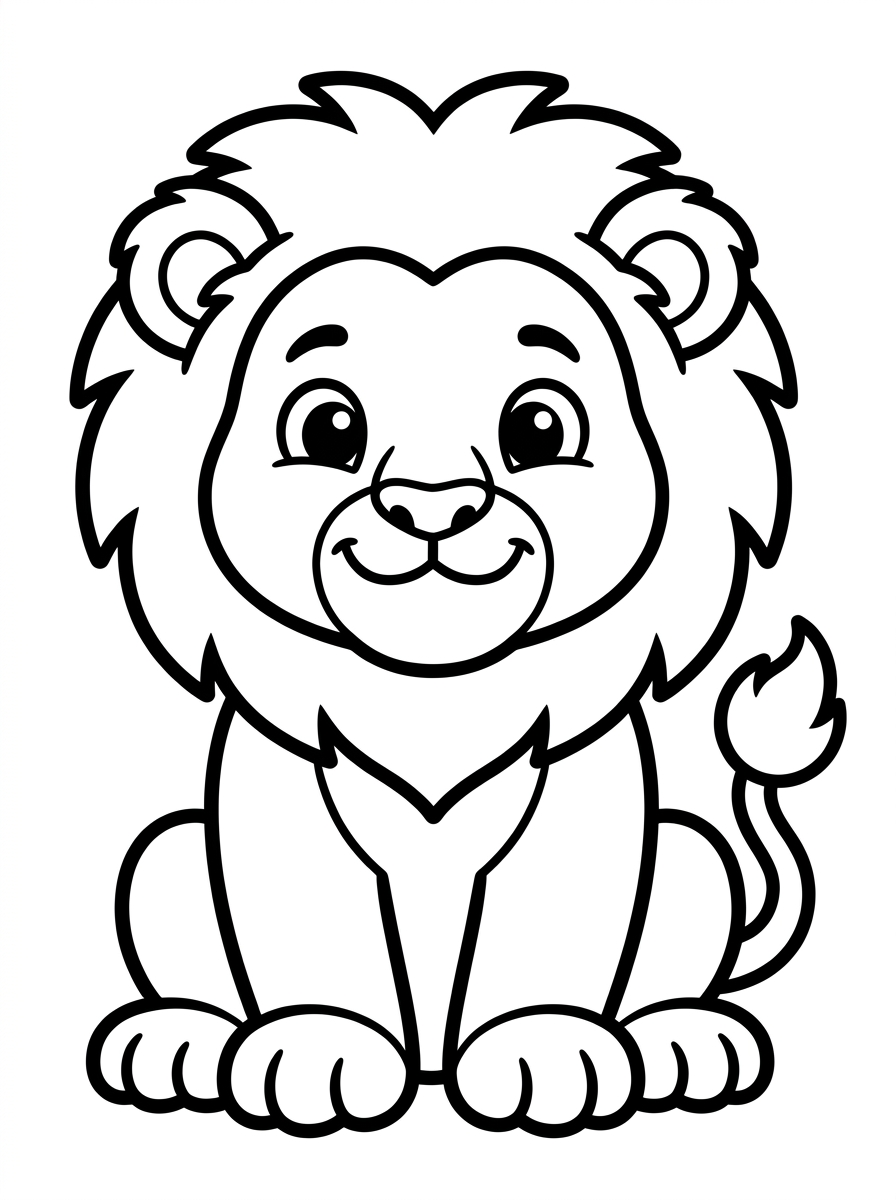
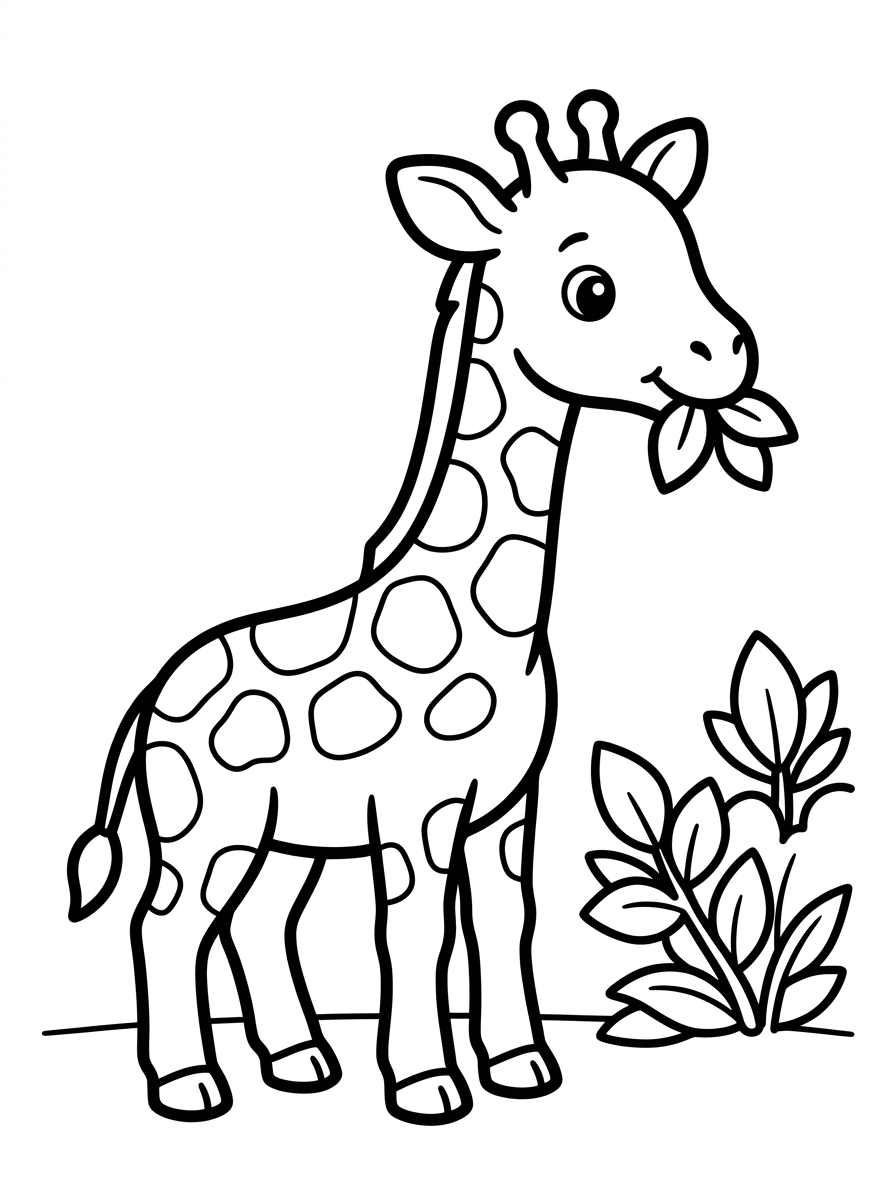
Parents buy coloring books constantly, and animals never go out of style. Dinosaurs and unicorns are the twin peaks (high demand, high supply); ocean animals, bugs, and farm animals offer softer competition. What separates sellers from shelf-warmers:
- A stated age range in the title — and art that honestly matches it (see the complexity guide)
- A scene, not a specimen — animals doing things beat static portraits
- Educational garnish — a fun fact per page justifies the purchase to parents
3. Seasonal & Holiday — Predictable Spikes You Can Plan
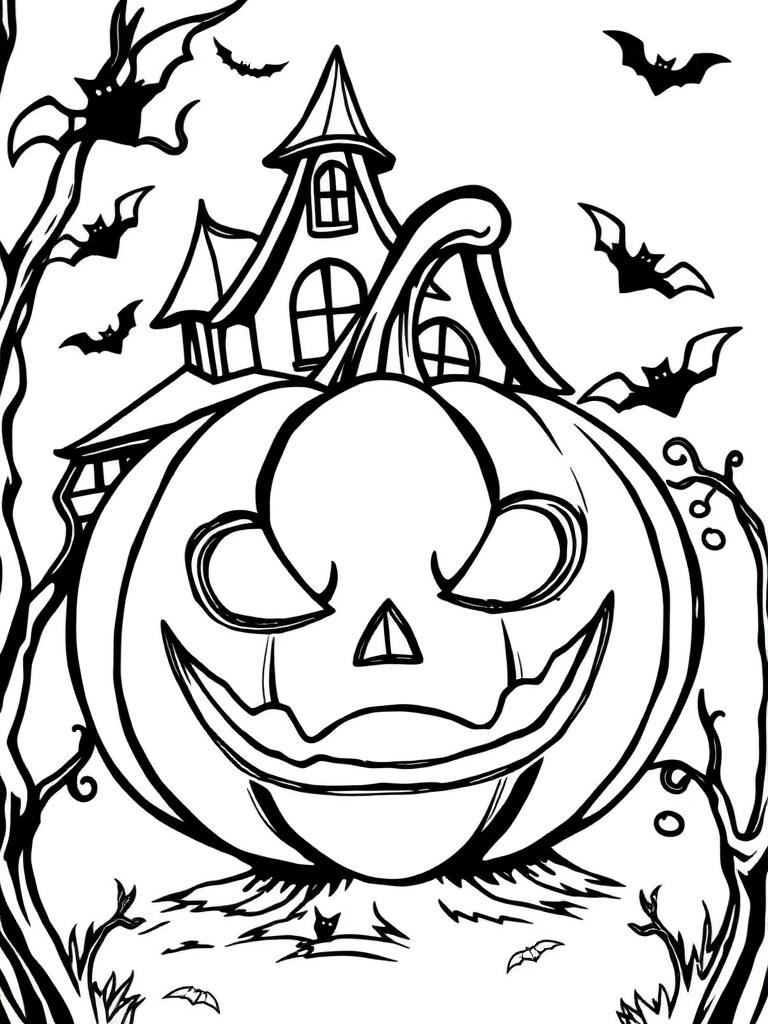
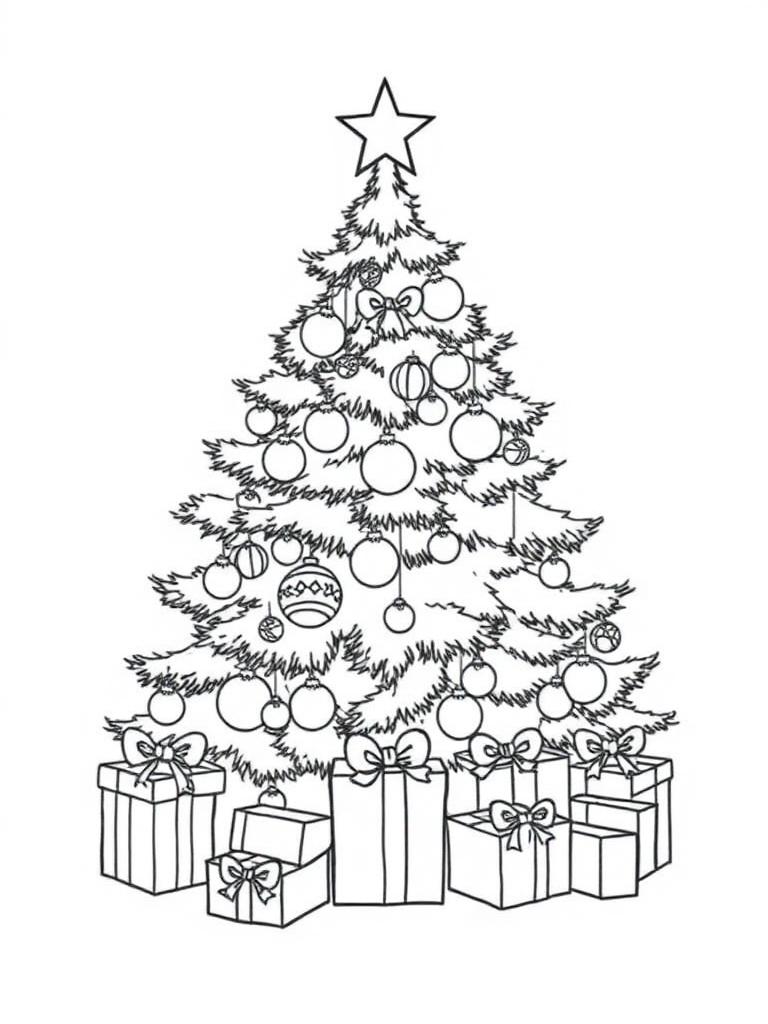
Halloween and Christmas books earn most of their year in six weeks. The pattern is mechanical: publish 6–8 weeks early, gather rank and a few reviews before the wave, ride the spike, repeat next year — the same title compounds annually. Easter, Valentine's, and summer-activity books run the same play at smaller scale.
4. Fantasy & Whimsy — Where Style Wins
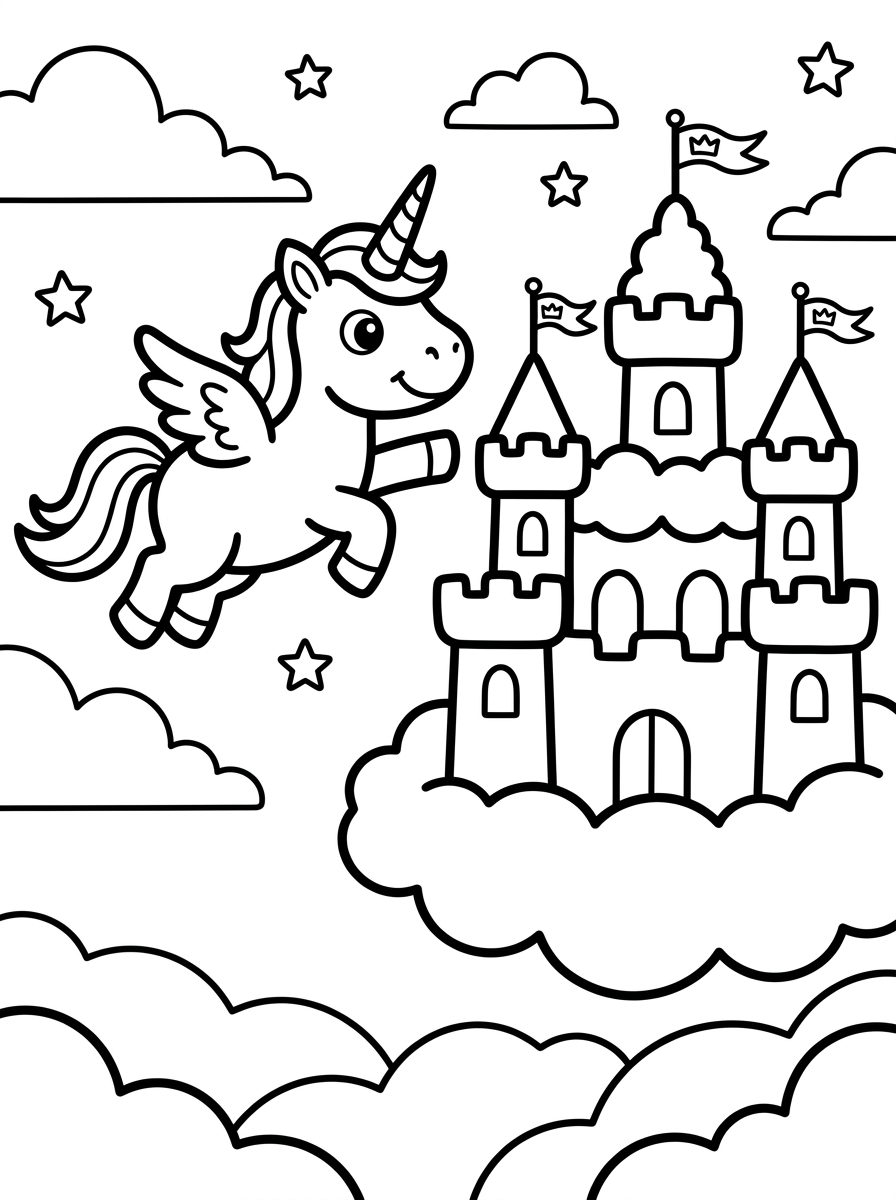
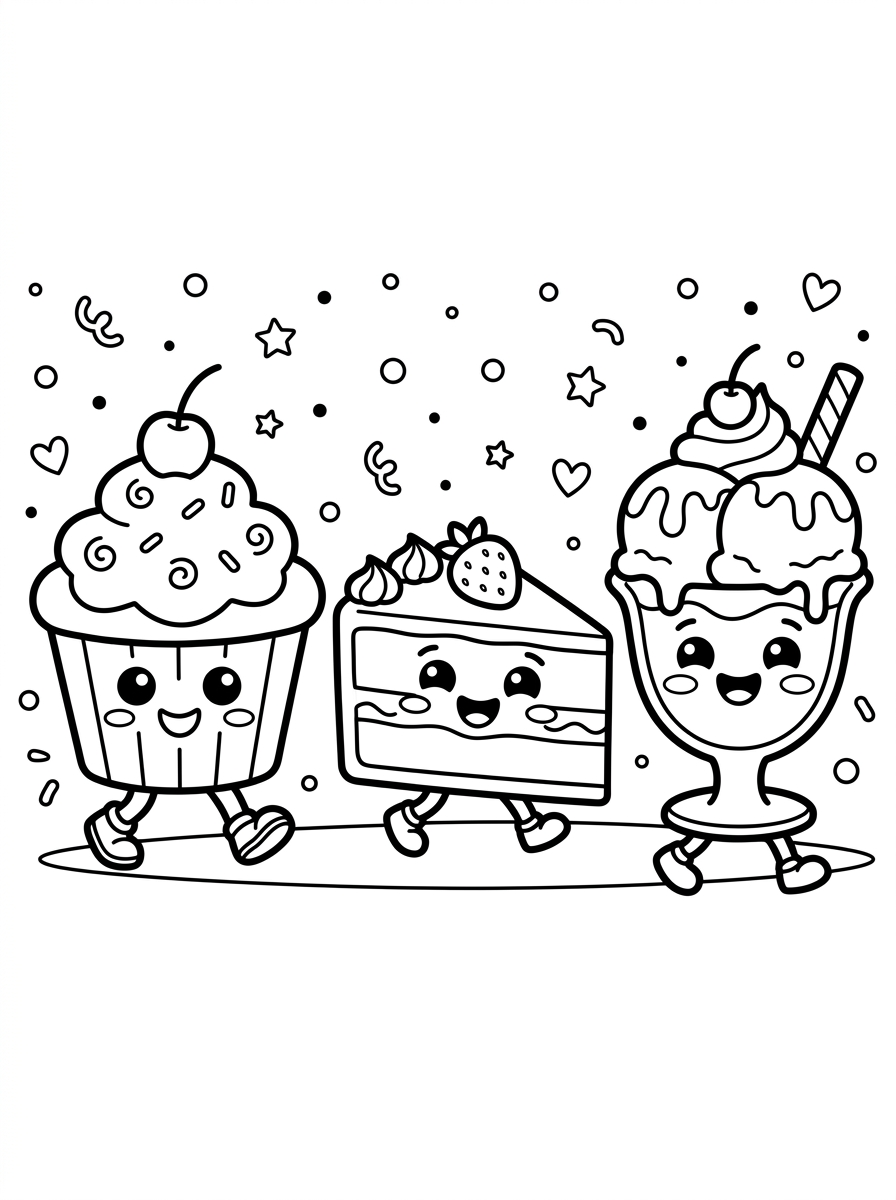
Unicorns, dragons, fairies, mermaids, and the booming "cozy fantasy" aesthetic (witch cottages, dragon cafés). Buyers here choose on art style more than keywords, which makes it the best niche family for a distinctive look — and a hard one for generic art. Kawaii deserves special mention: cute food characters and pastel-adjacent themes keep expanding from kids into teen/adult gift territory.
5. Humor & Swear Words — The Gift Machine
Sarcastic affirmations, office humor, swear-word florals. Bought overwhelmingly as gifts, which means huge Q4 spikes and strong performance around Mother's Day and birthdays. Content is fast to differentiate (the joke is the product), but stay original — parody of existing famous books gets taken down.
Where New Publishers Win in 2026
The pattern behind every "how is this selling?!" title: proven theme × underserved audience.
- Large-print anything — florals, birds, simple mandalas for seniors
- Hobby cross-sections — fishing, camping, gardening, yoga (gift keywords galore)
- Profession appreciation — nurses, teachers; humor + affirmation hybrids
- Trend animals — capybaras, axolotls, highland cows (validate the trend is alive this month)
- Toddler-first books — ages 1–3 with extra-thick lines; parents search it, few books do it well
A fuller idea bank — 50+ themes with notes — is in coloring book ideas that actually sell.
The Validation Ritual (Never Skip It)
- Type the niche phrase into Amazon's search bar — does autocomplete finish it for you?
- Check the top 5 results: 3+ books with BSR under 100,000?
- Review counts: are several top books under ~150 reviews?
- Can you state your improvement in one sentence?
Four yeses = go. Any no = adjust the angle or pick another niche.
Frequently Asked Questions
Are coloring books still profitable on Amazon KDP in 2026?
Yes — the adult coloring market alone continues to grow, and kids' demand is evergreen. What changed is the middle: generic books with mediocre art no longer sell. Profit now comes from niching down (specific theme × specific audience) and from production quality that matches the top 10% of listings.
What are the most profitable coloring book niches right now?
Consistent earners: mandalas and geometric patterns, kids' animals (especially dinosaurs and ocean life), seasonal and holiday titles, fantasy themes (unicorns, dragons, fairies), and kawaii/cute food styles. The best returns usually come from an underserved cross-section, like 'large-print florals for seniors' rather than 'flowers'.
How do I find an underserved coloring book niche?
Look for search phrases where demand signals exist (autocomplete suggests the phrase, top results have BSR under 100,000) but supply is weak — few dedicated titles, dated covers, or top books under ~150 reviews. That gap between visible demand and mediocre supply is where new publishers win.